Free Tuba Scale Finder for Concert Pitch Practice
Explore tuba scales with Protuningtool.com. Choose a key, choose a scale, switch between one and two octaves, hear real note samples, control note spelling, and practice with built-in playback and metronome tools.
Use this Tuba Scale Finder to view concert pitch scale notes, hear real sample playback, and practice with metronome support.
Best Way to Use This Scale Finder
Tune first, choose the key, set the scale and octave range, then run the notes with playback and metronome tools while your tuba is ready.
Tuba Scale Finder
Select a key and scale to generate the note run for concert pitch. Click notes for individual playback, use Play Mode for automatic runs, and practice against the built-in metronome.
Scale Note View
Highlighted notes belong to the selected tuba scale. Click any note to hear it.
Built-In Metronome
Set the tempo, choose a time signature, and keep your scale practice locked in while you work through the note run.
Tuba Reference
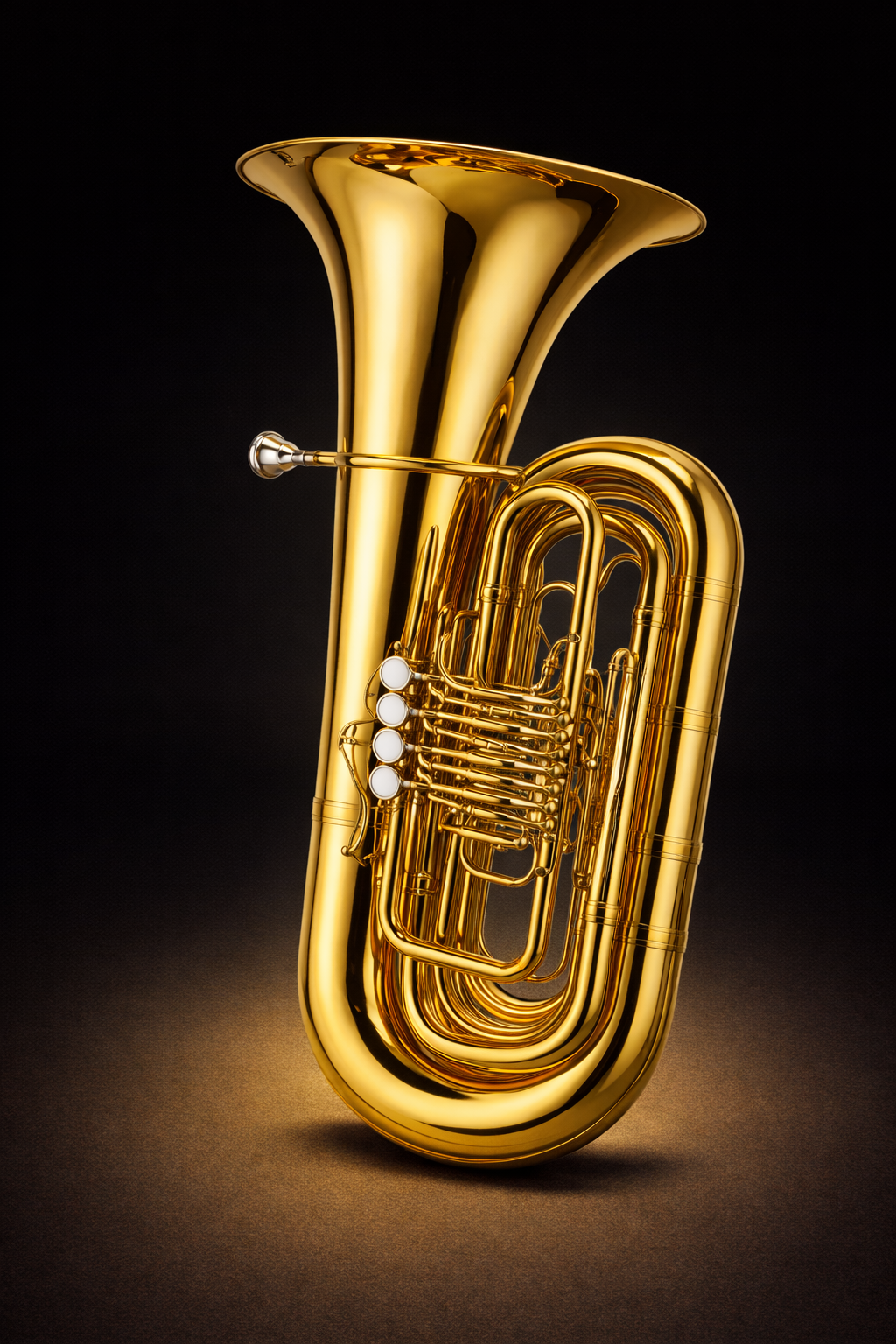
This tool is built for concert pitch tuba practice. Use it to connect note reading, ear training, and controlled scale repetition.
Helpful Tuba Tools
Once you map the scale, keep moving with tools that naturally fit the same practice flow.
About the Sample Audio
This scale finder is designed to work with real note files rather than fake pitch shifting. That keeps the playback more realistic for actual Tuba practice.
Tuba samples used in the Tuba Scale Finder tool are courtesy of the Philharmonia Orchestra and are provided freely for use, including commercial use. These must not be redistributed as raw samples or as a sampler pack. Licensed under Creative Commons Attribution-ShareAlike 3.0 Unported.
Tuba Scale Finder FAQ
Quick answers for using this Tuba scale finder effectively.
Is tuba written in concert pitch?
Tuba is generally treated as a non-transposing instrument for note names, so this tool shows concert pitch notes. This tool shows concert pitch note names and plays matching sample files.
Does this tool use real samples?
Yes. Click any displayed note to hear it. The tool is designed to use real note sample files instead of pitch-shifted sounds.
Can I practice one octave and two octaves?
Yes. Use the Octaves control to switch between one-octave and two-octave runs when the practical tuba range allows it.
What note spellings are available?
Use Auto (key-aware) for musical spelling, or force sharps or flats with the Show Note Names control.
What does Play Mode do?
Play Mode can run the selected scale ascending once, ascending then descending once, or ascending on a loop until you stop it.
Why would a note stay silent?
If a matching audio file is missing, that note may stay silent. The player tries both symbol-based and word-based sharp and flat naming formats when loading files.
Keep Going After You Find the Scale
Mapping the scale is only the start. Tune up, practice the pattern, connect it to your tuba routine, and move straight into drills while everything is fresh.